
All Rights Reserved
Daeda Technologies
Growth Marketing
Seo
Backlinks Explained: How to Build the Links Google Actually Trusts
When Google crawls your site, it can’t read every page in depth. Instead, it uses signals to decide what’s worth indexing and how trustworthy a page is. One of the most important of those signals is links — specifically, how many other sites link to yours.
How Google Uses Links
A page with no links pointing to it or from it looks isolated to a crawler. Google treats it as low-priority and may take a long time to index it, or skip it entirely.
Backlinks — links from other websites leading to yours — act like votes of confidence. The more credible the site that links to you, the more weight that vote carries. This is the core of how PageRank has worked since Google launched.
Not all backlinks are equal though. Two factors matter most:
- Domain authority — links from high-traffic, established sites carry more weight
- Relevance — links from sites in your industry or niche are more valuable than links from unrelated ones
Irrelevant backlinks can actually hurt your rankings. A link farm pointing to your B2B SaaS site from a recipe blog tells Google something is off.
No-Follow vs Do-Follow
One thing worth understanding is the rel="nofollow" attribute. When a site adds nofollow to a link, it tells Google not to follow that link — meaning it doesn’t pass authority to your site. Many platforms add this automatically (Reddit, Wikipedia, some forum software).
Do-follow links are the ones that actually move the needle for SEO. When you’re building backlinks, you want to prioritise sources that don’t nofollow by default.
Where to Build Backlinks
Good places to earn do-follow backlinks tend to be high-traffic and editorially reviewed. Some of the most effective:
- GitHub — README files, project listings, and org pages
- Product Hunt — product listings with your site URL
- LinkedIn — company pages and posts with links in the body
- Trustpilot — your business profile
- Medium — articles that reference your site
- Reddit — genuine contributions in relevant subreddits (though most are nofollow)
The common thread is genuine presence in places your audience already hangs out. Link-building works when the link would make sense to a human reader, not just a crawler.
How to Track Your Backlinks
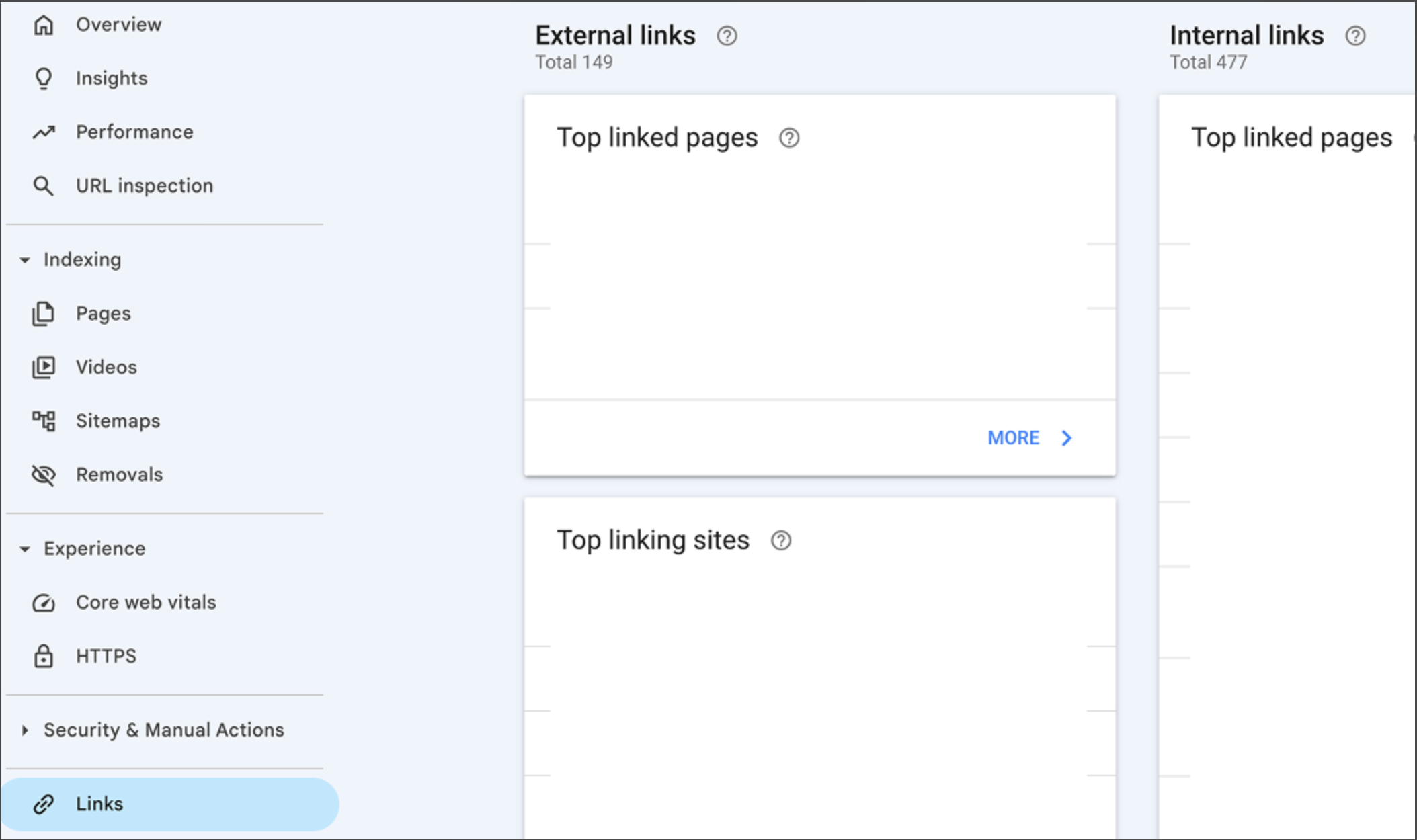
The easiest starting point is Google Search Console. Under the Links section, you’ll find:
- External links — total number of sites linking to yours, top linked pages, and top linking sites
- Internal links — how your own pages link to each other
This view shows you which pages are attracting the most links and which external domains are sending them. It’s free and pulls real data directly from Google’s index.
For deeper analysis, there are paid tools that give you competitor backlink data, link quality scores, and historical trends:
- Ahrefs — industry standard for backlink analysis, good for competitor research
- SEMrush — broad SEO suite with a solid backlink auditor
- Majestic SEO — focuses specifically on link data, with its own trust and citation flow metrics
These tools are worth it if you’re actively trying to build links at scale or want to understand why a competitor ranks above you.
Learning More
If you want to go deeper on link-building strategy, the HubSpot Academy has a solid free course series on SEO fundamentals. Their Link Building for SEO: Scaling Your Backlink Strategy lessons are a good structured resource that covers outreach, anchor text, and how to build links that compound over time.
The Short Version
Backlinks are a signal Google uses because it can’t verify quality from content alone. A link from a trusted, relevant site tells the crawler that something is worth paying attention to. Build them in places your audience actually uses, prioritise do-follow links where possible, and use Search Console to track what’s working.
We’ve been through this ourselves. If you’re growing a niche B2B site, the early months can feel like you’re publishing into a void. Tracking your external links in Search Console is one of the first ways to see whether your presence is growing — even before rankings move.

